

 526Likes
 LinkBack URL
 About LinkBacks
One would have to imagine the more powder thats being burnt in the supressor/post muzzle, the harder its going to be on the baffles in the supressor.
Welcome guest, is this your first visit? Create Account now to join.

Welcome to the NZ Hunting and Shooting Forums.
Search Forums


User Tag List
+ Reply to Thread
Results 91 to 105 of 150
Thread: Show me your lightweight rifle
Hybrid View
-
02-02-2024, 12:19 PM #1Member

- Join Date
- Nov 2022
- Location
- Auckland
- Posts
- 642
-
02-02-2024, 01:31 PM #2Member
- Join Date
- Jan 2018
- Location
- Christchurch
- Posts
- 748
Definitely don't want to derail this thread either, but it is useful to add that I've read a lot about this and there's some useful things to know about powder deflagration. First, all of the powder THAT IS GOING TO BE BURNT is consumed in the first few inches of the barrel regardless of burn rate. What the barrel does is contain the expanding gases to push the projectile out of the bore - longer barrel equals longer push. One of the criticisms of Quickload (and GRT) is that the percentage of powder burnt indicator implies that this is a variable where the aim should be to achieve close to full burn. This isn't something the end user can control at all. There will always be some unburnt kernels blasted out of the end of the barrel as part of the ejecta.
That leads nicely to the next point - muzzle flash etc is not powder burning outside of the muzzle. It is high pressure and high velocity gas igniting on contact with the oxygen in the atmosphere outside the the bore. What you definitely do get with a relative slower burn rate compared to a faster one is higher muzzle pressure (because of that bigger push) - all other things being equal. This can be either a useful thing (higher muzzle velocity, higher port pressure to operate semi or full auto firearms) or a bloody nuisance (more 'wear' per shot in a suppressor, bigger boom without).
This 'common sense' misunderstanding of internal ballistics (that shorter barrels needs faster powder) needs to be challenged as it could lead the unwary handloader into very dangerous territory. Always consult the handloading manuals. The optimal range of powders for use in a given situation is determined by case capacity relative to the bore size, and further moderated by projectile weight and composition.
If anyone wants to know more about any of this, the Hornady podcasts that focus on the scientific aspects of shooting are really good I think. The ones that focus on maths and statistical validity are the most useful, but that's definitely a subject for it's own thread!!!
-
02-02-2024, 02:52 PM #3Member
- Join Date
- Dec 2011
- Location
- nelson/marlborough
- Posts
- 3,477
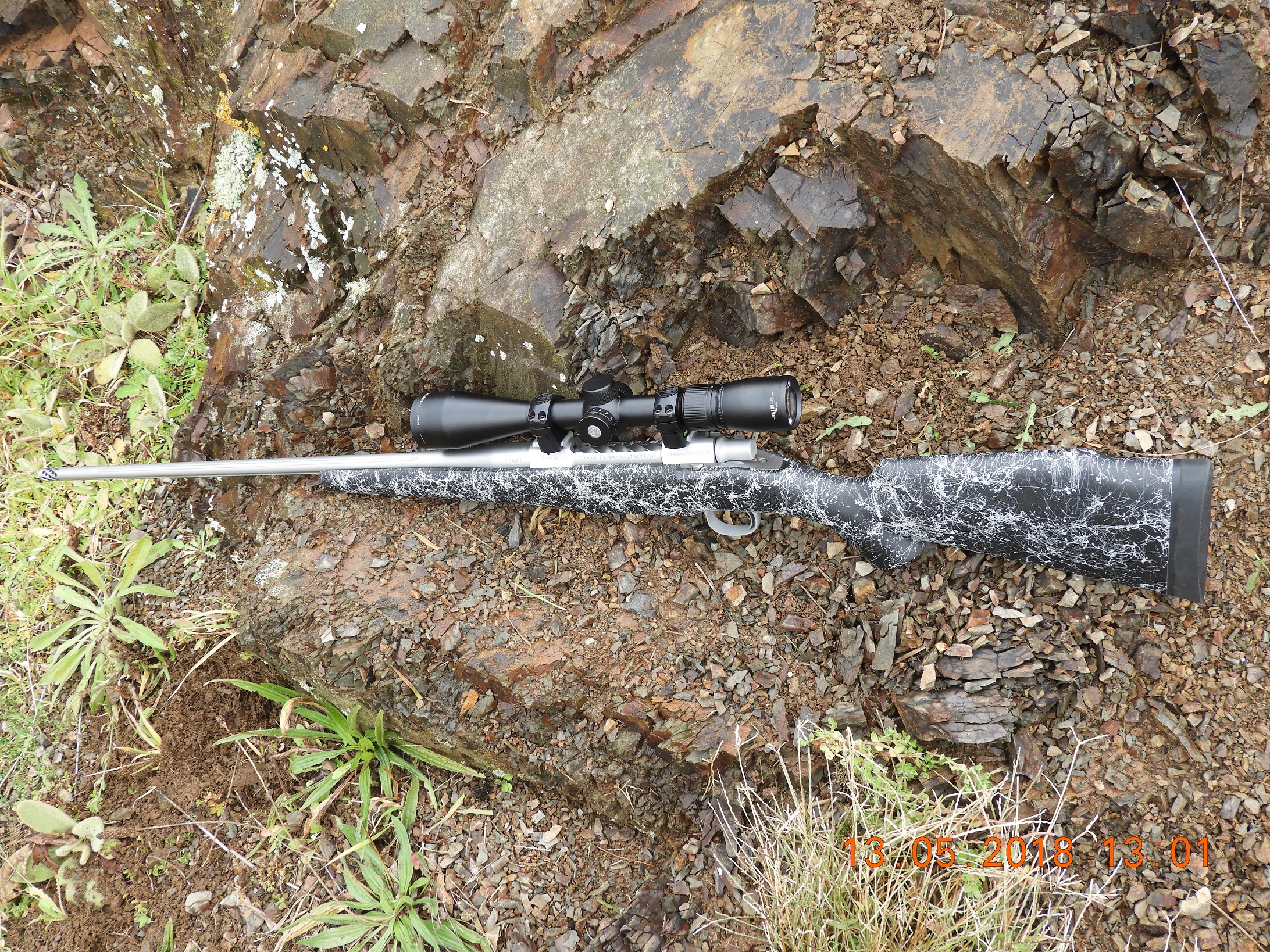
And a light weight rifle to get things back on track.
Cooper M92. 24 inch Non abbreviated barrel. Light weight earplugs instead of a suppressor . A touch under 7lbs.
 Just a slopy retrobate
-
06-02-2024, 08:31 AM #4Member
- Join Date
- Aug 2012
- Location
- Christchurch
- Posts
- 4,684
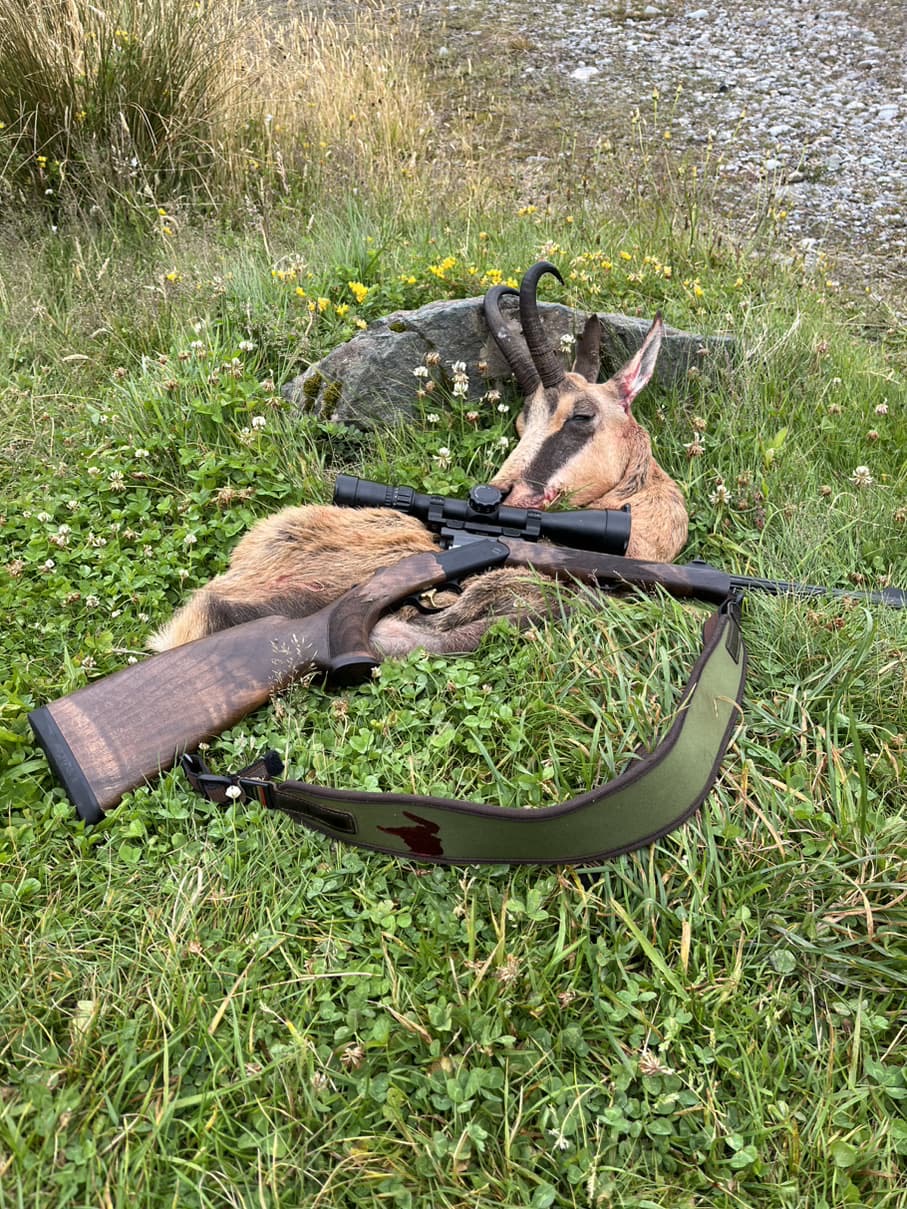
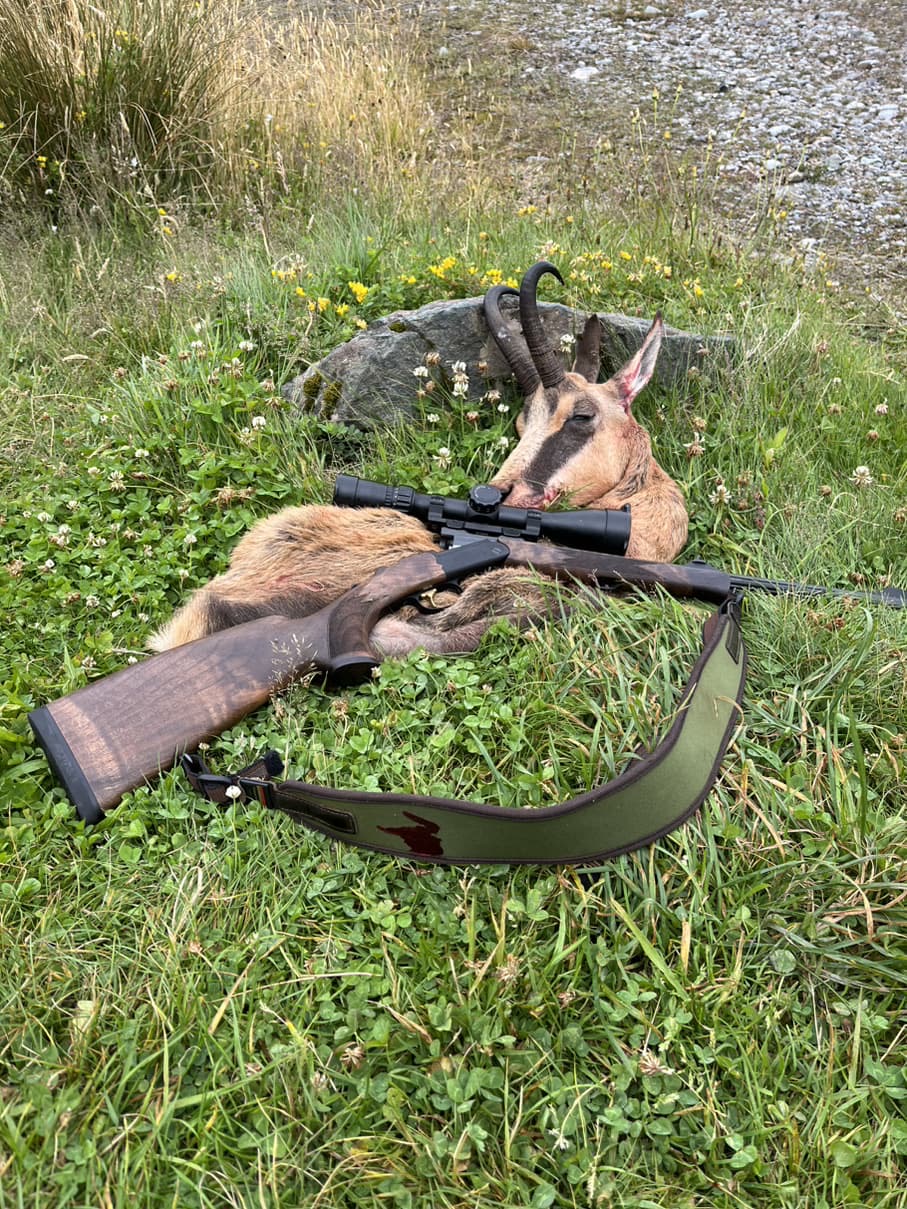
Since I’ve now shot something with it.
3-24x42 March on top. About 2.9kg as you see it
-
08-02-2024, 08:59 PM #5Member
- Join Date
- Aug 2012
- Location
- Hastings
- Posts
- 729
Very cool. Originally Posted by PerazziSC3

-
08-02-2024, 09:22 PM #6Member

- Join Date
- Oct 2012
- Location
- Australia / Marlborough Sounds
- Posts
- 1,471
Originally Posted by PerazziSC3
Wow that’s an expensive scope to put on a Baikal single shot .

 FALL IN LOVE WITH THE NUMBERS , NOT THE IDEA
-
08-02-2024, 09:43 PM #7Member
- Join Date
- Aug 2012
- Location
- Christchurch
- Posts
- 4,684
Would be nice if the scope was the expensive part Originally Posted by Ground Control
-
09-02-2024, 03:32 PM #8Member
- Join Date
- Jan 2021
- Location
- Te Awamutu
- Posts
- 172
What make is your scope mount Please? Originally Posted by PerazziSC3
-
09-02-2024, 04:17 PM #9Member
- Join Date
- Dec 2011
- Location
- NI
- Posts
- 14,900
What hasn't been defined in this thread is what actually is lightweight? There is a hell of a range here.
Maybe anything under 8lb (3.6 kg) with scope and suppressor is "lightweight"?Restraint is the better part of dignity. Don't justify getting even. Do not do unto others as they do unto you if it will cause harm.
-
12-02-2024, 10:53 AM #10By Popular Demand
- Join Date
- Dec 2011
- Location
- The Big H
- Posts
- 10,891
my 223 is 3.65kg with mag & sling etc so that seems reasonable, it isn't quite "light" Originally Posted by Tahr
-
09-02-2024, 05:59 PM #11Member
- Join Date
- Aug 2012
- Location
- Christchurch
- Posts
- 4,684
Merkel factory one. Maybe made by recknagel? Originally Posted by techno retard
-
10-02-2024, 06:07 PM #12Member
- Join Date
- Aug 2021
- Location
- Malborough / Blenheim
- Posts
- 22
Now we're talking lightweight, can't beat a quality single shot , alot of hunters haven't cottoned on to these rifles when you're really trying to keep the weight down. Dam nice Chamois for first blood of the Merkel!
Gkp likes this.
-
09-02-2024, 06:15 AM #13Member
- Join Date
- Aug 2022
- Location
- New Plymouth
- Posts
- 2,554
Not Superlight but it's about right in 6.5 Creedmoor and a Z5

Sent from my CPH2145 using Tapatalk
-
09-02-2024, 05:07 PM #14Member
- Join Date
- May 2018
- Location
- Queenstown
- Posts
- 2,231
I could go along with under 3.6 being considered lightweight
Maybe sub 3kg should be considered ultralight.
-
09-02-2024, 06:17 PM #15Member
- Join Date
- Apr 2019
- Location
- Silverdale
- Posts
- 1,573
That’s it , you have nailed it , just need to add under 2.6 the stupid light Originally Posted by Gkp
Gkp likes this.


 Reply With Quote
Tags for this Thread

 Posting Permissions
- You may not post new threads
- You may not post replies
- You may not post attachments
- You may not edit your posts
Welcome to NZ Hunting and Shooting Forums! We see you're new here, or arn't logged in. Create an account, and Login for full access including our FREE BUY and SELL section Register NOW!!
All times are GMT +13. The time now is 05:34 AM.

Bookmarks