
 155Likes
 LinkBack URL
 About LinkBacks
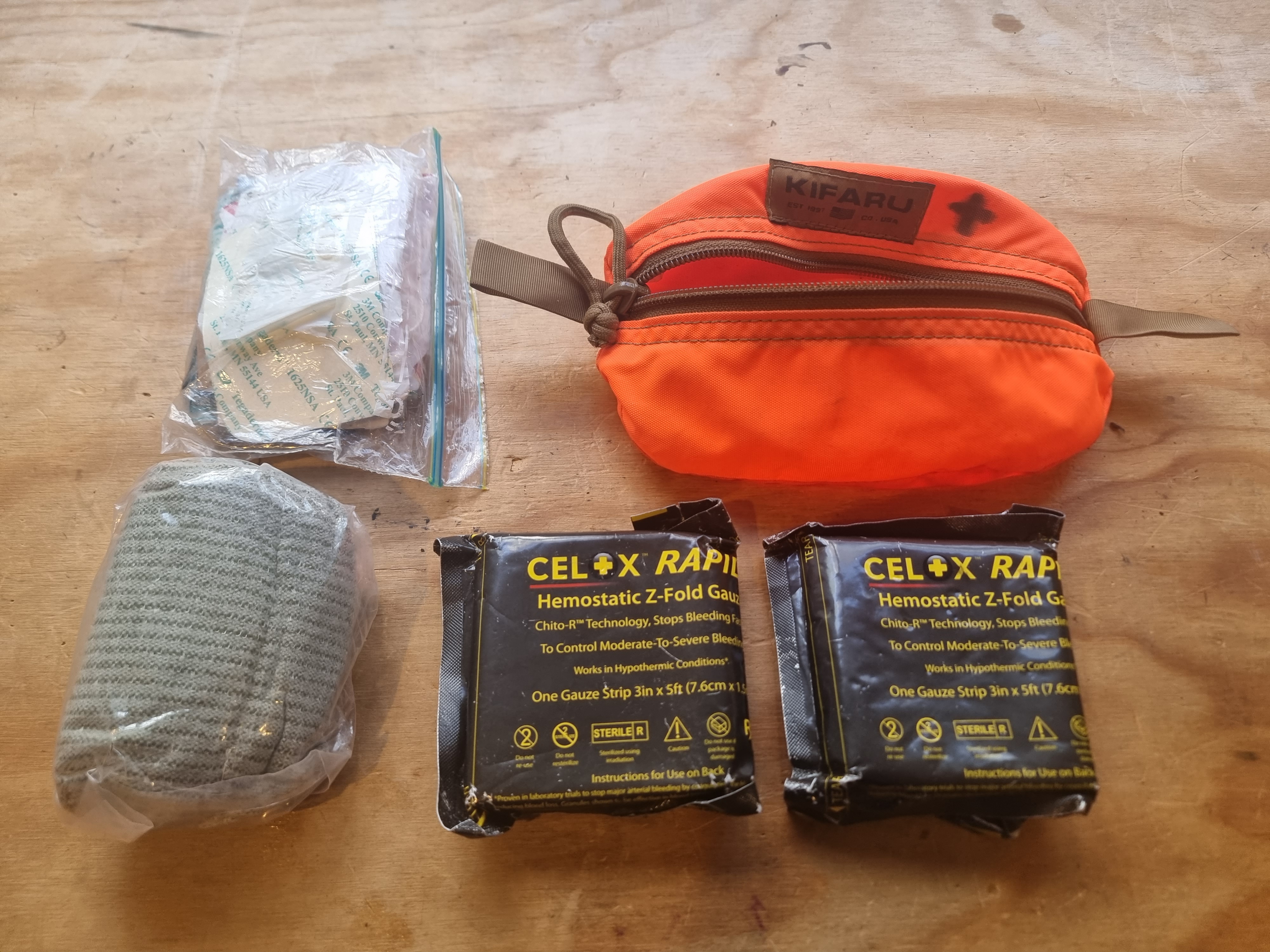
I am the guy that cuts my toothbrush in half and sands the end off, and has sleepless nights over the amount of toothpaste I've packed. Nerd. But, I reevaluated my medikit recently and added Celox and an Israeli bandage to at least have some means of stemming bleeding. I'm a parent, and have gone to two St John's medical day courses. I travel a lot and carry first aid kits in all the family cars and at home. Rounding a bend to a straight a couple of years ago, there was a car crash in front of me. A head on, in the middle of the country side. I grabbed the medi kit. There were people attending to critically injured people in a couple of cars, and a couple of dead people. Point being, you just never know when a medi kit might be of use.
The biggest risks I've encountered hunting in the bush and mountains is taking big falls. I've had a couple of end over ends in both environments and pack a garmin gps and the medi kit which always travels in my main bag or belt bag, accessible by hand. The thing I've learnt, is "make the right call early" when facing dodgy navigational choices and go the long way around, particularly hunting solo. But, if I get shot, well, my hope is whoever does it has a medi kit with at least some blood stemming gear, or can access mine (I think this is how the military do it - use the downed person's medi kit). I've run into hunters in the bush during the roar which was quite scary, but fortunately they spoke english upon seeing me "Hunter", works a treat as deer haven't mastered human language yet.
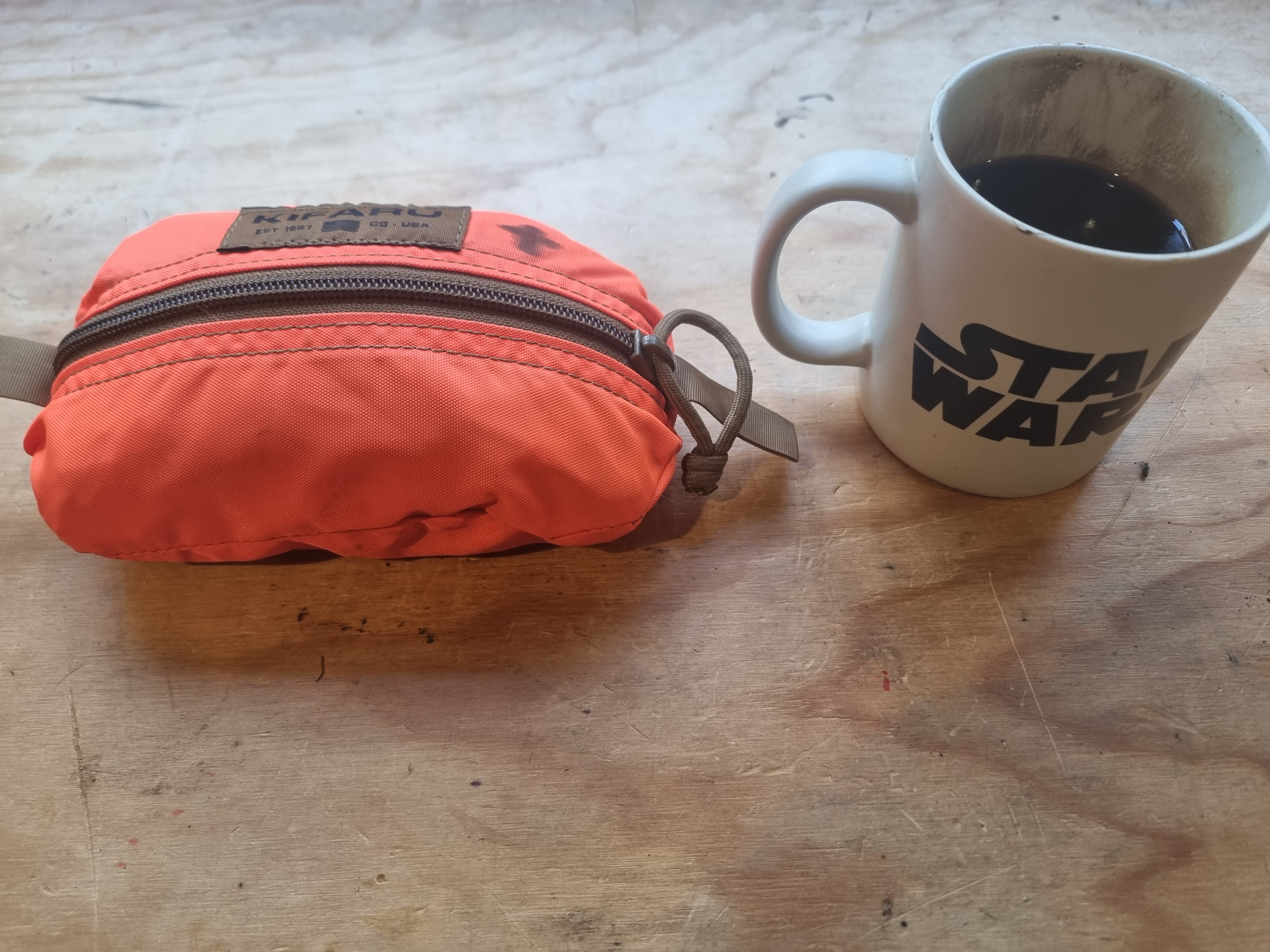
So here's mine, it's 200g. The most used items are band aids (get Electoplast, everything else sucks), panadol, ibuprofene and antihistamines. I reckon anyone who is into the outdoors should do a St John's day course and have a well thought out medi kit. That and remember good decision making for what you can control
Welcome guest, is this your first visit? Create Account now to join.

Welcome to the NZ Hunting and Shooting Forums.
Search Forums


User Tag List
Results 1 to 15 of 65
Threaded View
-
01-02-2024, 08:46 AM #18Member

- Join Date
- Jun 2023
- Location
- Auckland
- Posts
- 529
"Death - our community's number one killer"


 Reply With Quote
Similar Threads
-
Who filters water when out hunting overnight?
By Vanman in forum Gear and EquipmentReplies: 40Last Post: 08-01-2024, 09:45 PM -
Ultralight Hunting Gear List
By burtonator in forum Gear and EquipmentReplies: 116Last Post: 12-10-2021, 12:18 PM -
Basic deer hunting info
By Dainer in forum HuntingReplies: 28Last Post: 15-01-2019, 02:34 PM
Tags for this Thread

 Posting Permissions
- You may not post new threads
- You may not post replies
- You may not post attachments
- You may not edit your posts
Welcome to NZ Hunting and Shooting Forums! We see you're new here, or arn't logged in. Create an account, and Login for full access including our FREE BUY and SELL section Register NOW!!
All times are GMT +13. The time now is 07:16 PM.

Bookmarks